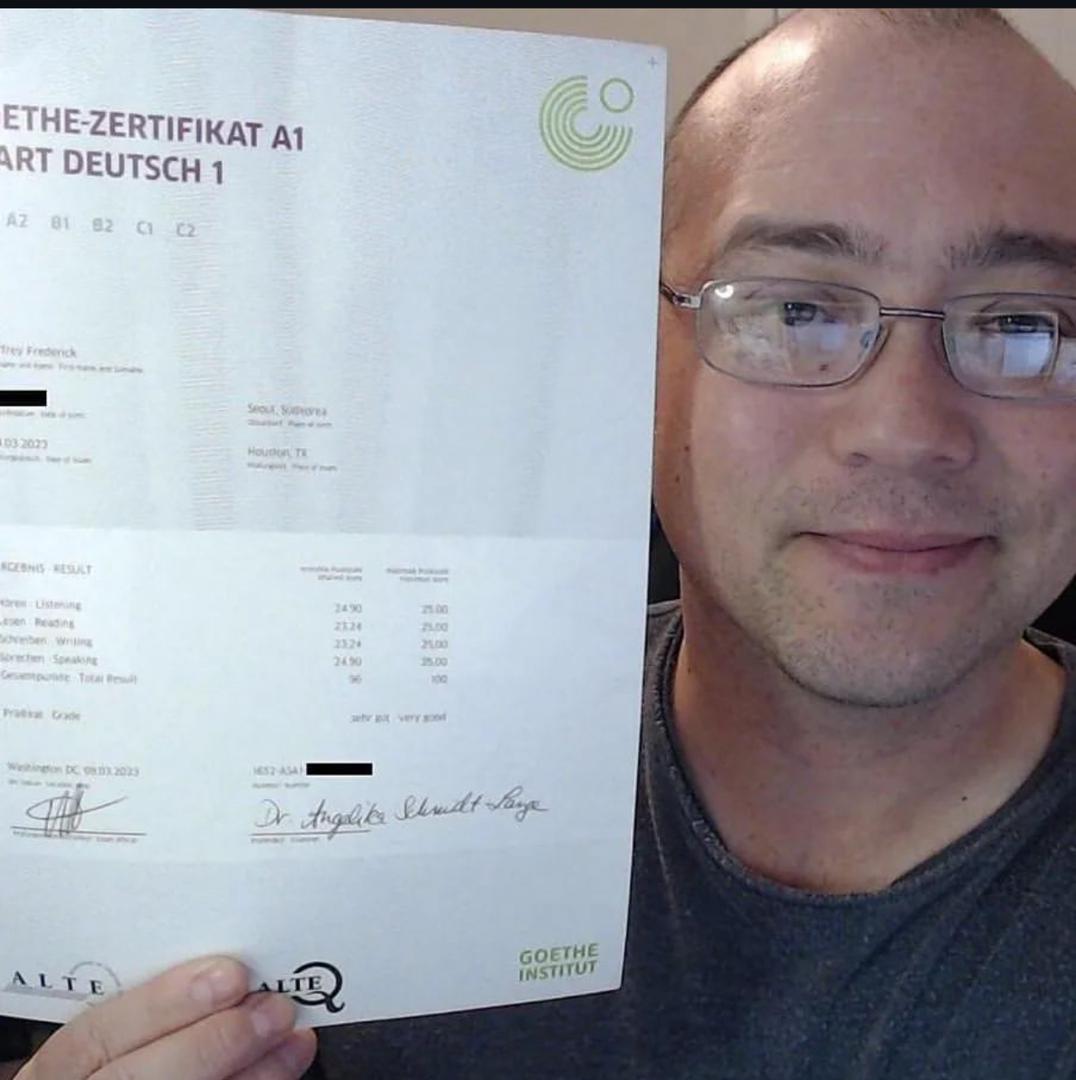
Understanding the B1 Certificate: A Comprehensive Guide
Introduction
The B1 Certificate, part of the Common European Framework of Reference for Languages (CEFR), is a substantial criteria for language learners. It symbolizes that a person has obtained an intermediate level of proficiency in a given language, generally English, French, or Spanish. This post will explore the crucial elements of the B1 Certificate, including its value, the kinds of tests offered, preparation pointers, and frequently asked concerns.
What is the B1 Certificate?
The B1 Certificate shows that a student can:
- Understand the primary points of clear basic input on familiar matters.
- Handle many situations that might emerge while taking a trip in locations where the language is spoken.
- Produce basic connected text on topics that are familiar or of individual interest.
- Describe experiences, occasions, dreams, hopes, and ambitions, as well as briefly describe reasons and viewpoints.
CEFR Language Proficiency Levels
The Common European Framework divides language efficiency into six levels, ranging from A1 (beginner) to C2 (proficient). Below is a quick introduction of each level:
| Level | Description |
|---|---|
| A1 | Novice: Basic understanding and usage of familiar everyday expressions and phrases. |
| A2 | Elementary: Ability to communicate in easy and routine tasks. |
| B1 | Intermediate: Solid grasp of language for numerous contexts and can produce basic text. |
| B2 | Upper Intermediate: Can understand the main points of intricate texts and communicate with complete confidence. |
| C1 | Advanced: Proficient in scholastic and expert settings; can produce clear and well-structured text. |
| C2 | Proficiency: Able to comprehend virtually whatever read or heard with ease. |
Why is the B1 Certificate Important?
The B1 Certificate serves numerous purposes, making it valuable for learners, companies, and universities:
- Academic Requirements: Many universities require a B1 level for non-native speakers as part of their admission criteria. It often functions as proof of language skills for courses taught in the language.
- Work Opportunities: In today's globalized task market, proficiency in another language is a significant possession. The B1 Certificate can boost task potential customers, especially in fields requiring client interaction or translation.
- Personal Development: Earning this certificate can boost self-confidence and supply learners with the motivation to advance their language skills, paving the way for sophisticated levels.
- Travel and Social Interaction: Having a B1 level enables people to communicate successfully while traveling, making social interactions more meaningful and enjoyable.
Types of B1 Certificates and Exams
Numerous organizations offer assessments for the B1 Certificate, each with its structure and assessment criteria. Some of the most recognized include:
Cambridge English: B1 Preliminary (PET)
- Format: Reading, Writing, Listening, Speaking
- Period: Approximately 2 hours and 30 minutes
- Scoring: Scored on a scale from 0 to 170
École Internationale de Langues: Diplôme A2/B1
- Format: Written and oral tests
- Period: Varies by organization
- Scoring: Letter grades that correspond to CEFR levels
DELF B1 (French)
- Format: Listening, Reading, Writing, and Speaking
- Period: Approximately 3 hours
- Scoring: A minimum score of 50 out of 100 is required to pass.
DELE B1 (Spanish)
- Format: Reading, Writing, Listening, and Speaking
- Period: Approximately 3 hours
- Scoring: A minimum score of 60 out of 100 is needed to pass.
Preparation for the B1 Certificate
Accomplishing a B1 Certificate requires great preparation. Here are some ideas and resources to help learners prepare yourself:
Resources
- Online Courses: Platforms like Coursera, Udemy, and Duolingo offer targeted courses for B1 level preparation.
- Books: Books particularly developed for the B1 level, such as "English Grammar in Use" or "Practice Makes Perfect," can offer structured learning.
- Language Exchange: Speak with native speakers or fellow learners. Sites like Tandem or HelloTalk are exceptional for discovering language partners.
Study Tips
- Regular Practice: Allocate time everyday to check out, compose, listen, and speak in the target language.
- Mock Tests: Complete practice tests to familiarize oneself with the exam format and time restraints.
- Focused Vocabulary: Create flashcards of vital vocabulary and expressions that are typically used at the B1 level.
- Participate In Language Classes: Joining classes can offer expert assistance and a structured method to knowing.
Frequently asked question about the B1 Certificate
Q1: How long does it take to get ready for the B1 Certificate?A1: Preparation
time differs by person, but usually ranges from 3 to 6 months of consistent study. Q2: Are there age constraints
for taking the B1 exam?A2: No, there are generally no age limitations. Nevertheless
, some institutions might advise a minimum age for candidates. B1 Zertifikat Telc : What products are permitted throughout the exam?A3: Most tests forbid the usage
of dictionaries or electronic gadgets unless specified. Q4: What takes place if I do not pass the B1 exam?A4: Candidates can retake the exam at a later date; numerous companies
enable numerous attempts. Q5: Is the B1 Certificate acknowledged internationally?A5: Yes, numerous nations acknowledge the B1 Certificate as a sign of language proficiency, especially
in scholastic and professional settings. The B1 Certificate is
an important milestone for language learners and an entrance to different chances in academia, work, and personal advancement.
By comprehending the significance of this certification, exploring offered exams, and carrying out effective preparation techniques, individuals can successfully attain this crucial proficiency level. As the world continues to globalize, language abilities remain a vital possession, making the pursuit of a B1 Certificate a worthwhile endeavor.